

Box & Papers: Do They Really Matter When Buying a Watch?
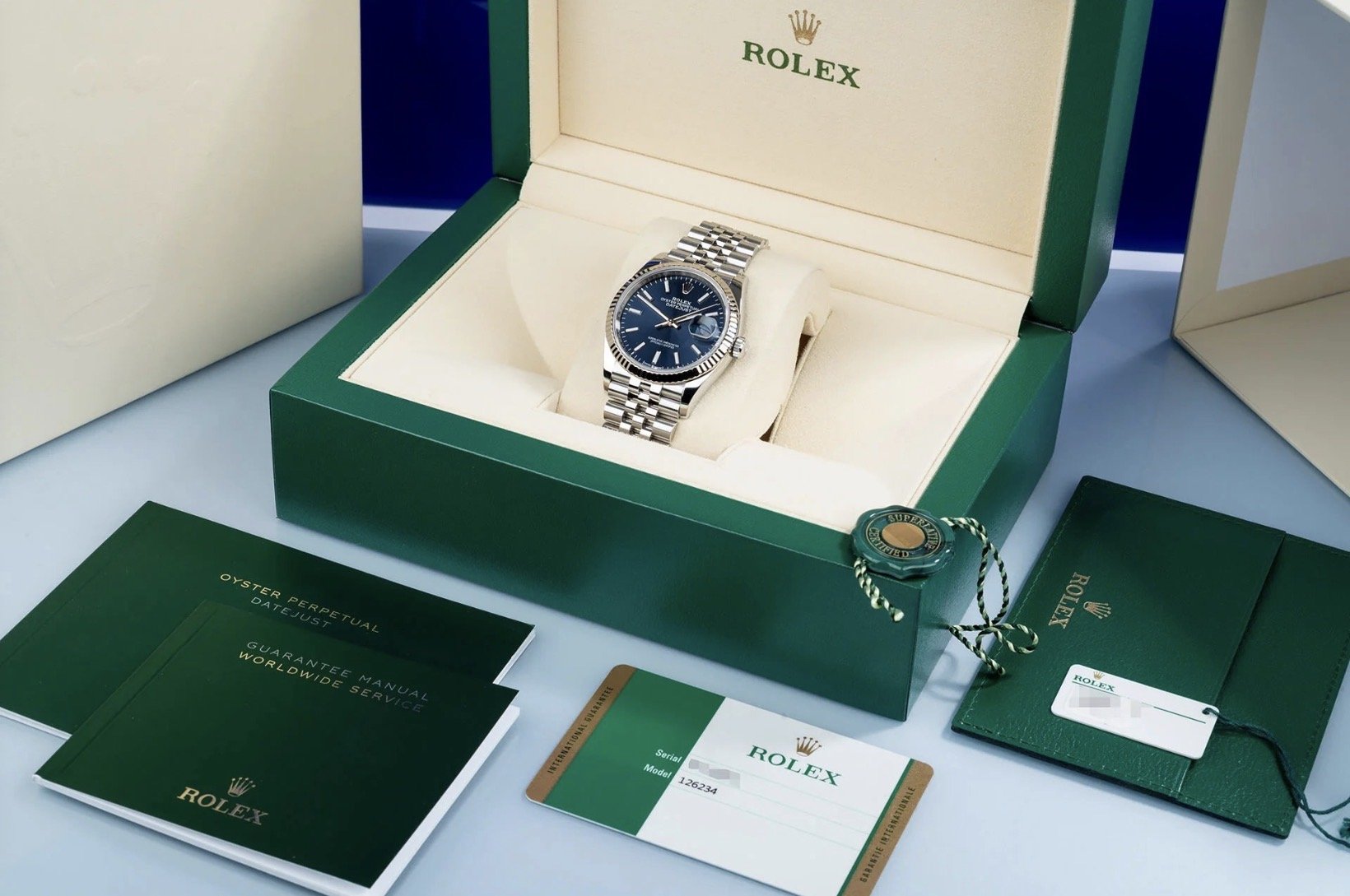
When buying a luxury watch, you’ll often see sellers highlight “box and papers included” — but how important are they really?
Do they affect value?
Are they essential?
And should you avoid a watch that doesn’t have them?
Here’s the honest answer, explained clearly.
What Are “Box and Papers”?
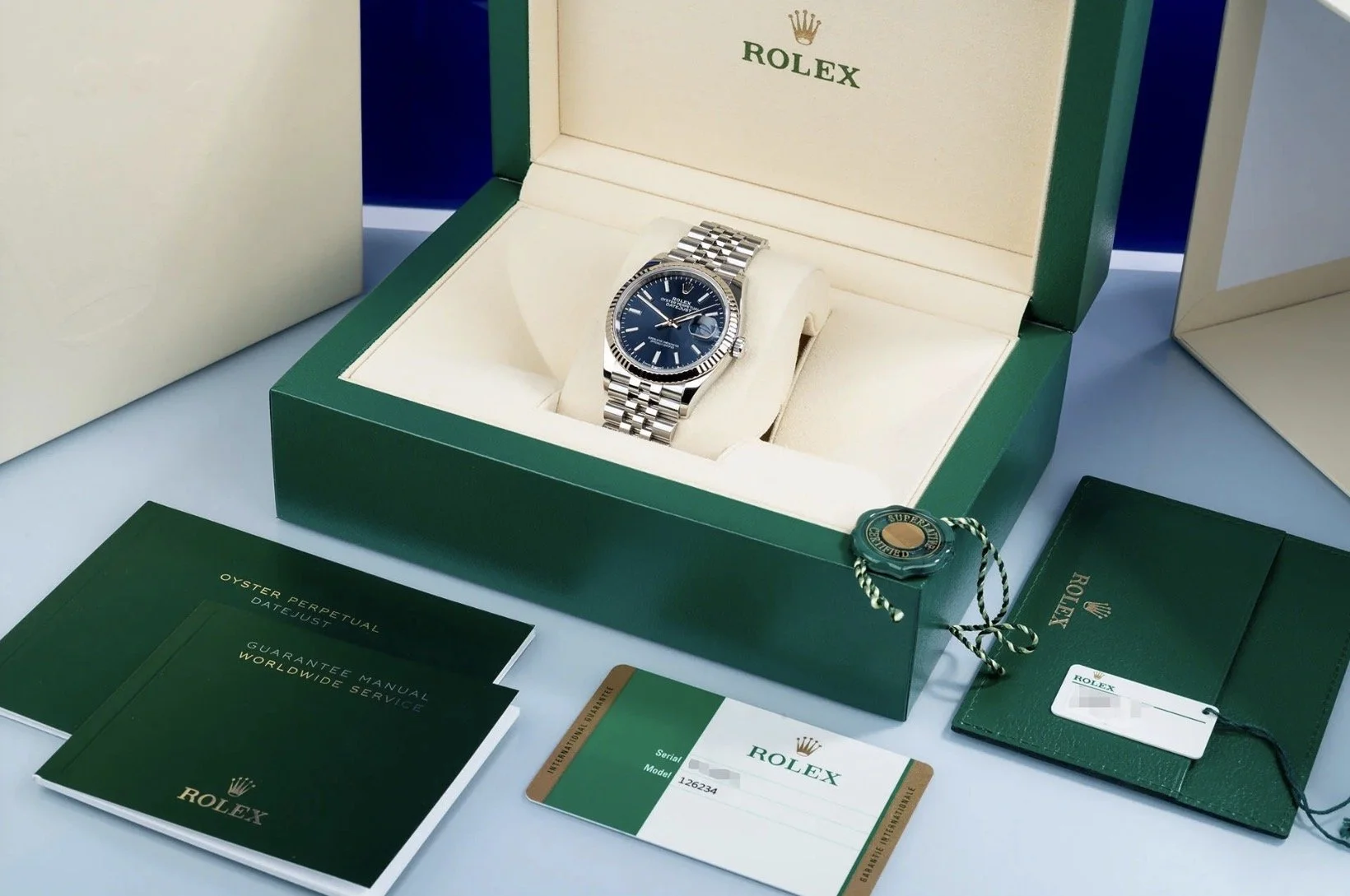
Box and papers usually refer to the original items supplied when the watch was first sold, including:
Original manufacturer box
Warranty card or certificate
Instruction manuals
Booklets or tags
These items form part of the watch’s complete set.
Do Box & Papers Affect Value?
Yes but not always as much as people think.
In general:
A watch with box and papers is more desirable
A full set can increase resale value
Collectors usually prefer completeness
However, condition, authenticity, and demand matter far more than paperwork alone.
When Box & Papers Matter Most
Box and papers are most important if you:
Plan to resell in the future
Are buying a collectable or investment piece
Want maximum buyer confidence
Are purchasing a modern or high-value model
For investment-focused buyers, a full set is usually worth paying extra for.
When They Matter Less
Box and papers are less critical if:
You’re buying the watch to wear daily
The watch is older or discontinued
The price reflects the missing items
The watch has been fully authenticated
Many fantastic watches trade perfectly well without their original paperwork.
Is a Watch Without Papers Risky?
Not necessarily.
A watch without papers can still be:
100% authentic
Fully functional
Excellent value
What matters most is who you’re buying from and whether the watch has been properly checked.
At JF Jewellers, every watch, with or without papers is carefully inspected and verified for authenticity before sale.
Does Missing Box & Papers Mean It’s Fake?
No this is a common myth.
Many genuine watches lose their box or paperwork over time due to:
House moves
Estate sales
Older ownership history
Authentication should be based on the watch itself, not just documents.
Should You Pay Extra for Box & Papers?
That depends on your goal.
Worth paying extra if:
You care about resale value
You’re building a collection
You want a complete set
Not essential if:
You want the best price
You’re buying purely to wear
The watch is fully verified
Our Honest Advice
Box and papers are a bonus not a deal breaker.
A genuine, well-priced, properly checked watch without paperwork can be a smarter buy than an overpriced full set.
The key is trust, transparency, and expert verification.
Buying a Watch?
Whether you’re looking for a full set or the best value pre-owned watch, we’re happy to advise honestly.
👉 Browse our latest luxury watches
👉 Looking to sell or part-exchange? Get in touch
How to Set and Wind a Rolex Datejust Correctly (Step-by-Step Guide)
A step-by-step guide explaining how to correctly set the time, date, and wind a Rolex Datejust without damaging the movement.
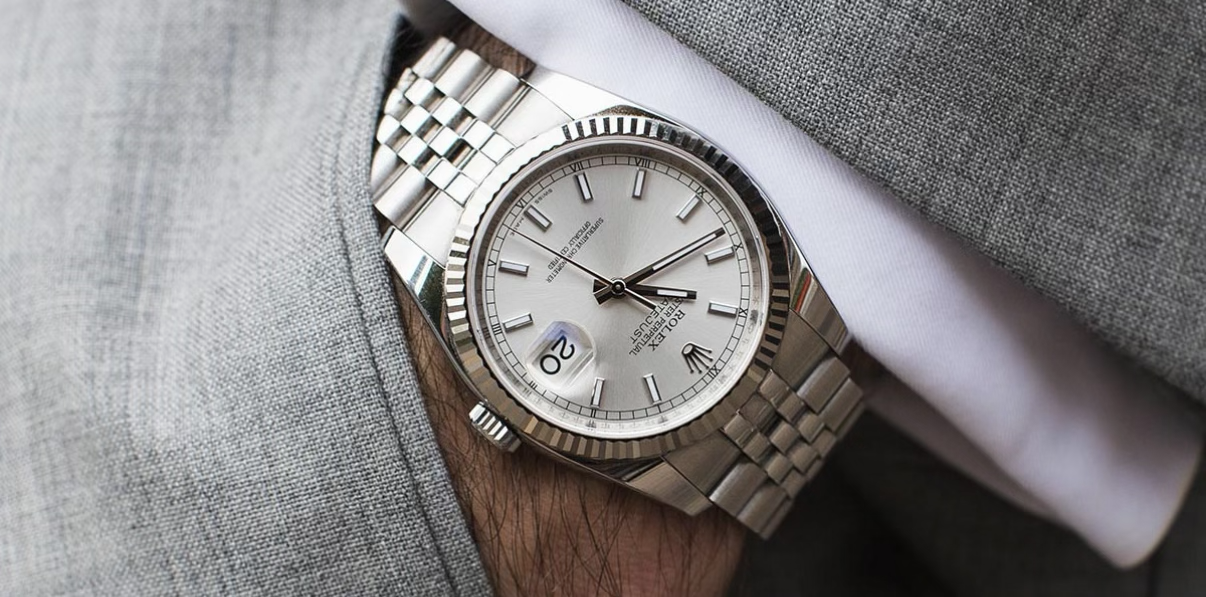
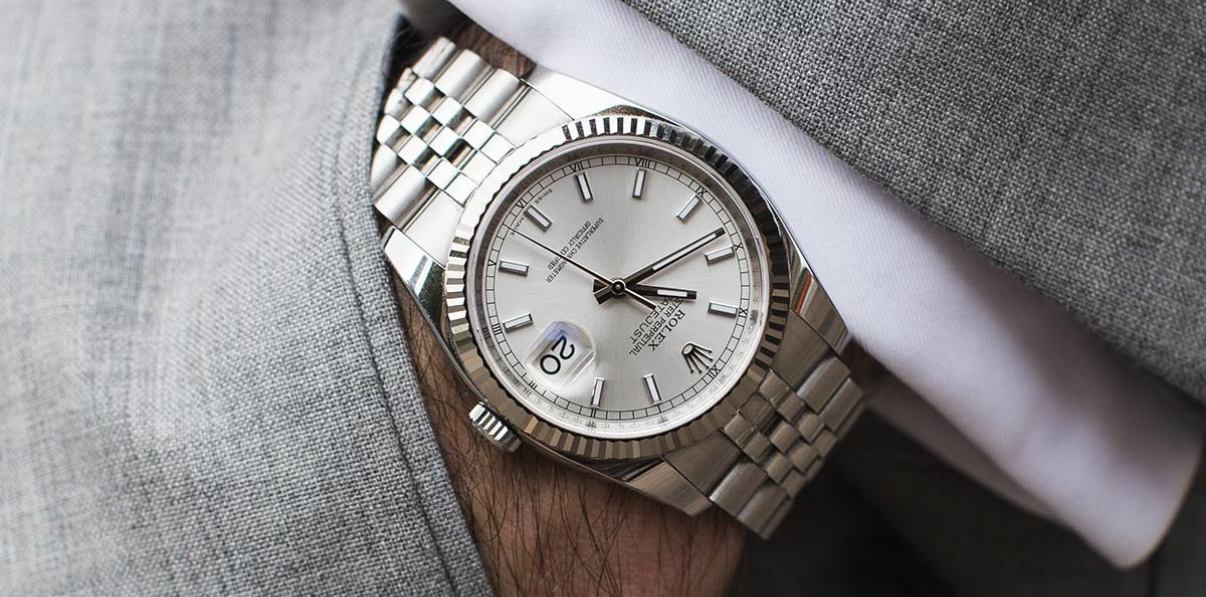
The Rolex Datejust is one of the most iconic automatic watches ever made. While it’s built to be robust, setting it incorrectly especially the date can damage the movement over time.
This guide explains the correct way to set the date, time, and wind a Rolex Datejust, step by step, so everything functions exactly as it should.
Understanding the Rolex Datejust Crown Positions
A Rolex Datejust crown has four distinct positions:
Position 1 – Screwed In
The normal position. The crown is fully screwed down and the watch is sealed and water-resistant.
Position 2 – Unscrewed (Winding Position)
The crown is unscrewed but not pulled out.
Used to manually wind the watch.
Position 3 – First Click Out (Date Setting)
Used to set the date only.
Position 4 – Second Click Out (Time Setting)
Used to set the time.
This position stops the seconds hand (hacking).
Step 1: Unscrew the Crown
Turn the crown anti-clockwise until it releases.
Once unscrewed, the crown will sit in Position 2 (winding position).
Do not pull or force the crown.
Step 2: Set the Date (Do This First)
From Position 2, gently pull the crown out one click to Position 3.
Then:
Rotate the crown to advance the date
Stop once the correct date appears
Do not do this if the time is between 9:00 PM and 3:00 AM
⚠️ During this time window, the date mechanism is engaged. Changing the date can damage internal components.
Step 3: Set the Time
Once the date is correct:
Pull the crown out one more click to Position 4
Turn the hands clockwise only
Watch for the date to change, this confirms you’ve passed midnight
Continue setting the correct time, making sure AM or PM is correct
This ensures the date changes at the correct time each day.
Step 4: Wind the Watch
After setting the time:
Push the crown back in to Position 2
Turn the crown clockwise (towards 12 o’clock)
Wind approximately 5–10 turns
You’ll feel smooth resistance stop once the watch feels fully wound.
✅ Helps maintain accuracy
✅ Prevents the watch stopping
✅ Especially important if the watch hasn’t been worn recently
Step 5: Secure the Crown
Push the crown back in and screw it clockwise until it is snug.
Do not over tighten firm pressure is enough to maintain water resistance.
Common Mistakes to Avoid
Changing the date between 9pm and 3am
Pulling the crown without unscrewing it
Turning the hands backwards
Forgetting to wind the watch
Leaving the crown unscrewed
Most Date-just issues are caused by incorrect setting rather than wear.
Final Advice
The Rolex Date-just is built to last a lifetime, but correct handling is key. Taking a moment to follow the proper setting order protects the movement and keeps everything running exactly as intended.
If anything feels stiff or unusual, stop forcing a Rolex crown is never the answer.
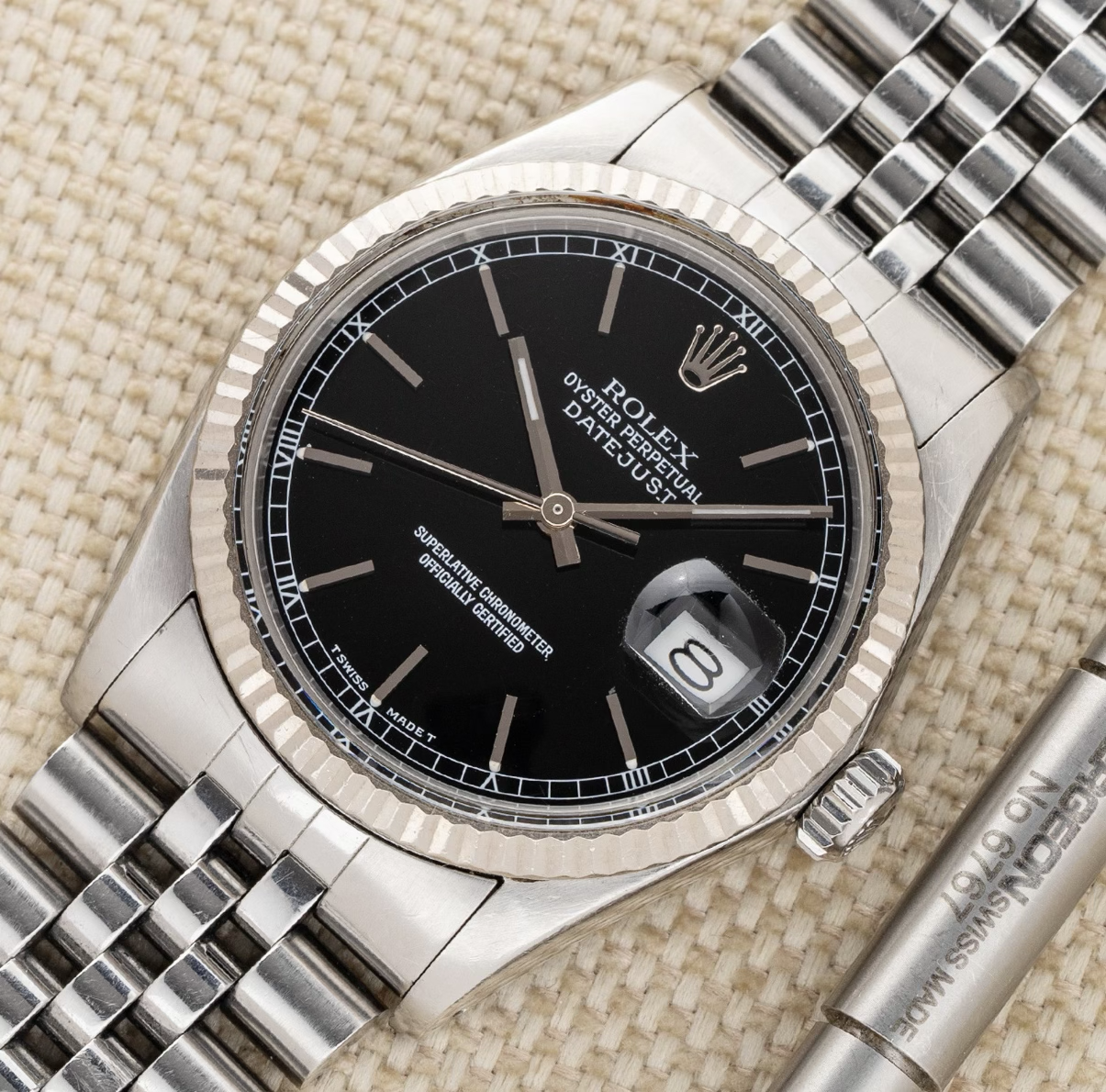
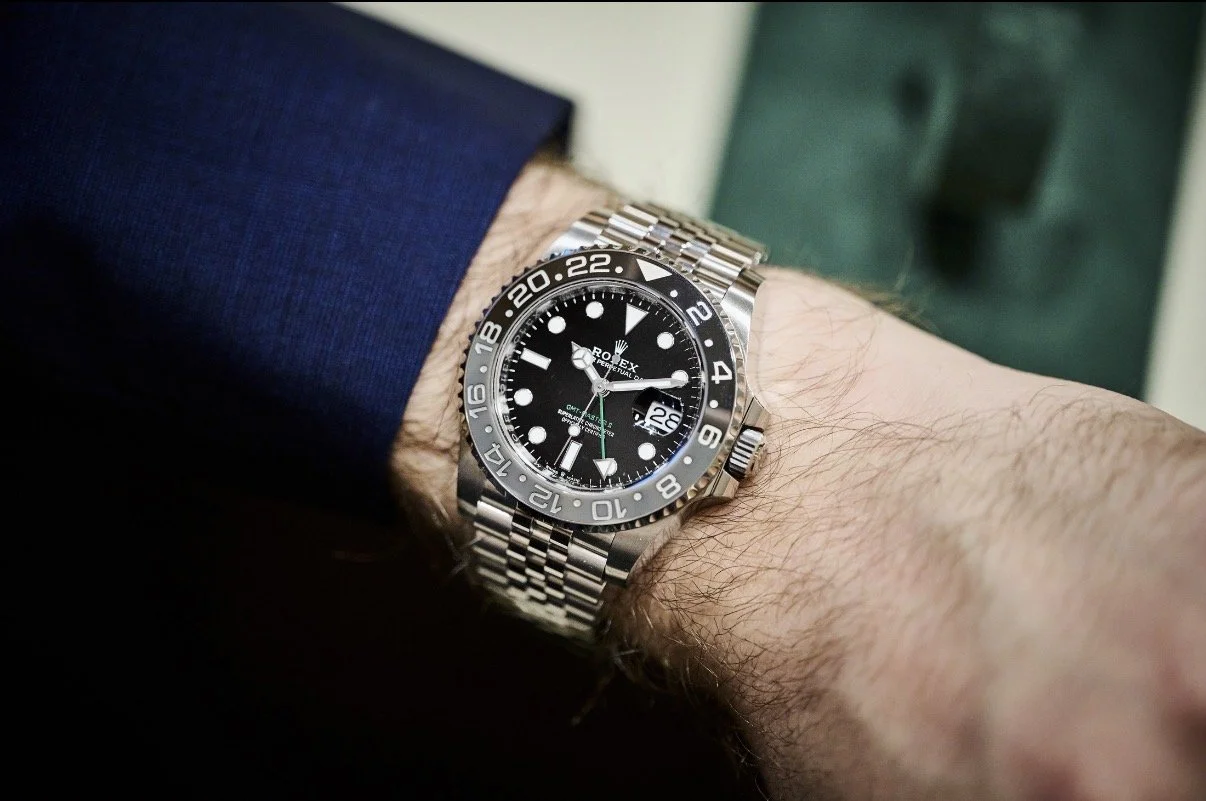
How to Change the Time and Date on a Rolex GMT-Master II (Correct Method)
A step-by-step guide explaining how to correctly change the time and date on a Rolex GMT-Master II using the jumping hour hand.
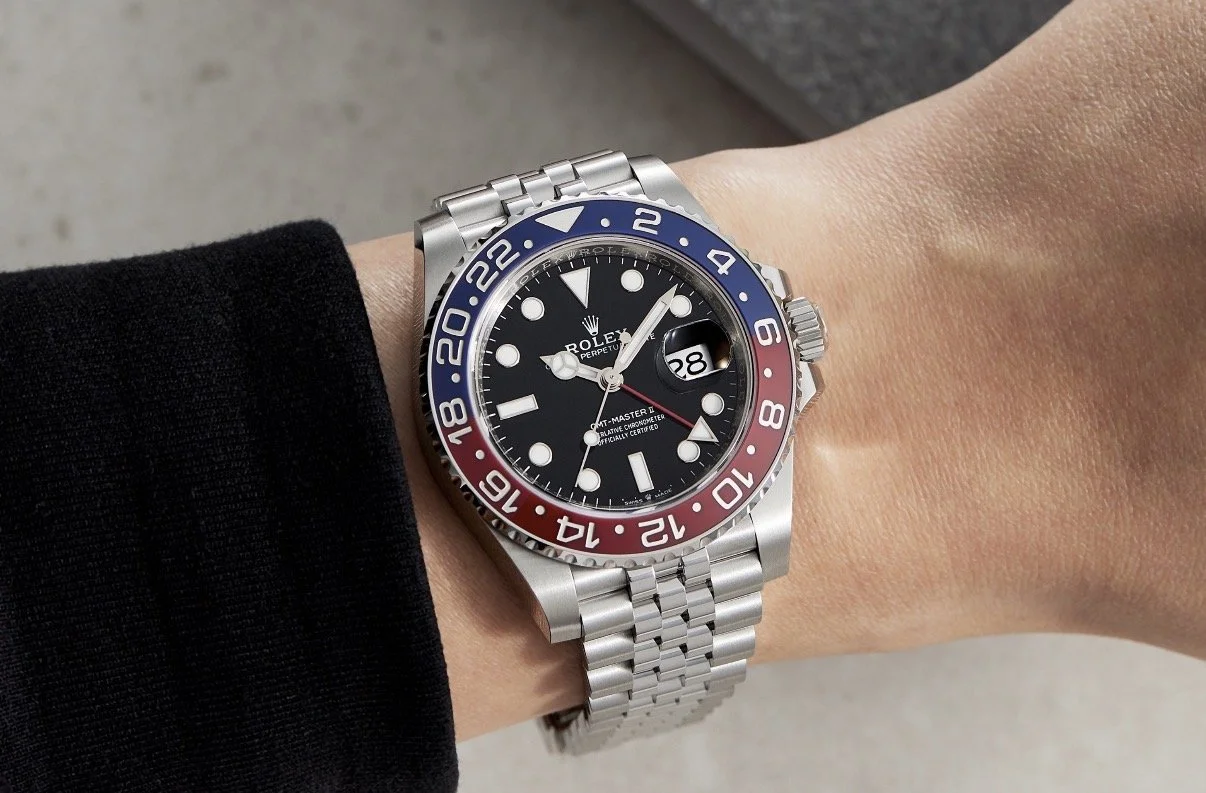
The Rolex GMT-Master II is designed differently from most automatic watches.
Thanks to its independently adjustable hour hand, you can change the time and date safely without stopping the movement if it’s done correctly.
This guide explains exactly how to change both the time and the date, without damaging the watch.
Understanding the Rolex GMT-Master II
Unlike standard date watches, the GMT-Master II features:
⭐️ A jumping local hour hand
⭐️ A 24-hour GMT hand (home time)
⭐️ A date mechanism linked to the local hour hand
This means the date changes when the hour hand passes midnight, not via a traditional quickset.
Crown Positions Explained
The crown has three positions:
1. Screwed in – normal, water-tight
2. First click out – adjusts local hour hand & date
3. Second click out – adjusts all hands together
⚠️ There is no separate quickset date wheel like on a Submariner or Datejust.
How to Change Local Time (Travelling)
This is the most common adjustment.
Step-by-Step
1. Unscrew the crown (anti-clockwise)
2. Pull the crown to the first click
3. Rotate the crown to move the hour hand forward or backward
▪️ The minute and GMT hands stay still
▪️ Accuracy is not affected
4. Push the crown back in and screw it down
✅ Safe
✅ Does not stop the watch
✅ Designed for frequent use
How to Change the Date on a Rolex GMT-Master II
Unlike most watches, the date is changed by moving the hour hand, not by a separate date-set position.
Correct Method
1. Unscrew the crown
2. Pull the crown to the first click
3. Rotate the crown forward until the hour hand passes midnight
4. Each time the hour hand crosses midnight, the date advances by one day
5. Continue until the correct date is shown
6. Push the crown back in and screw it down
💡 You can move the hour hand forwards or backwards to reach the correct date faster.
Why This Is Safe (Important)
On a GMT-Master II:
⭐️ The date mechanism is disengaged during hour-hand adjustment
⭐️ There is no traditional “danger zone” like on standard date watches
⭐️ Rolex designed this system to be used at any time of day
That said:
✅ Always turn gently
✅ Never force resistance
How to Set Home Time (GMT Hand)
This is usually done once.
Steps
1. Unscrew the crown
2. Pull to the second click
3. Set:
▪️ Minute hand
▪️ GMT hand (points to 24-hour scale)
4. Push crown back in and screw down
Common Mistakes to Avoid
⭐️ Trying to “quickset” the date like a Submariner
⭐️ Using the second crown position for daily time changes
⭐️ Forgetting to screw the crown back down
⭐️ Forcing the crown when resistance is felt
Key Takeaways
✅ Date is changed via the jumping hour hand
✅ Use first crown position only
✅ No quickset date wheel
✅ Designed for frequent time-zone changes
Final Advice
The Rolex GMT-Master II is one of the most intelligently designed travel watches ever made.
Once you understand how the hour hand and date are linked, setting it becomes fast, safe, and intuitive.
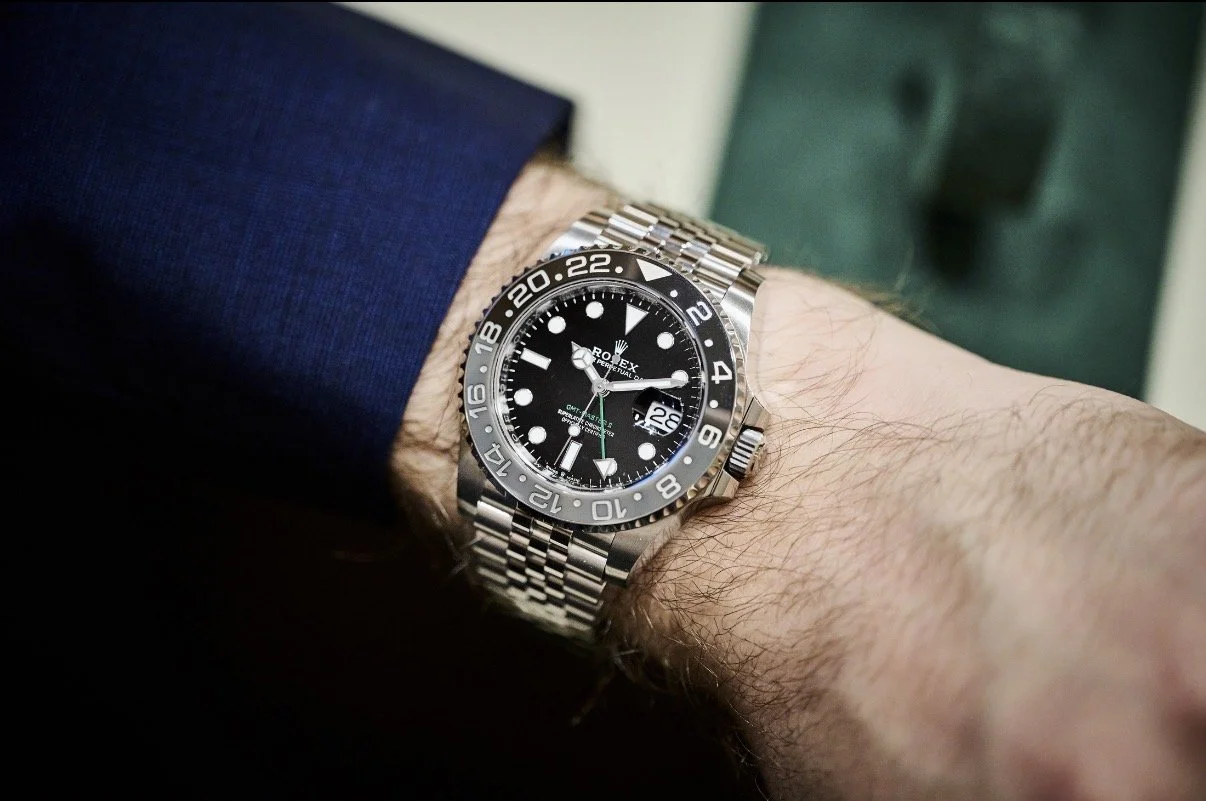
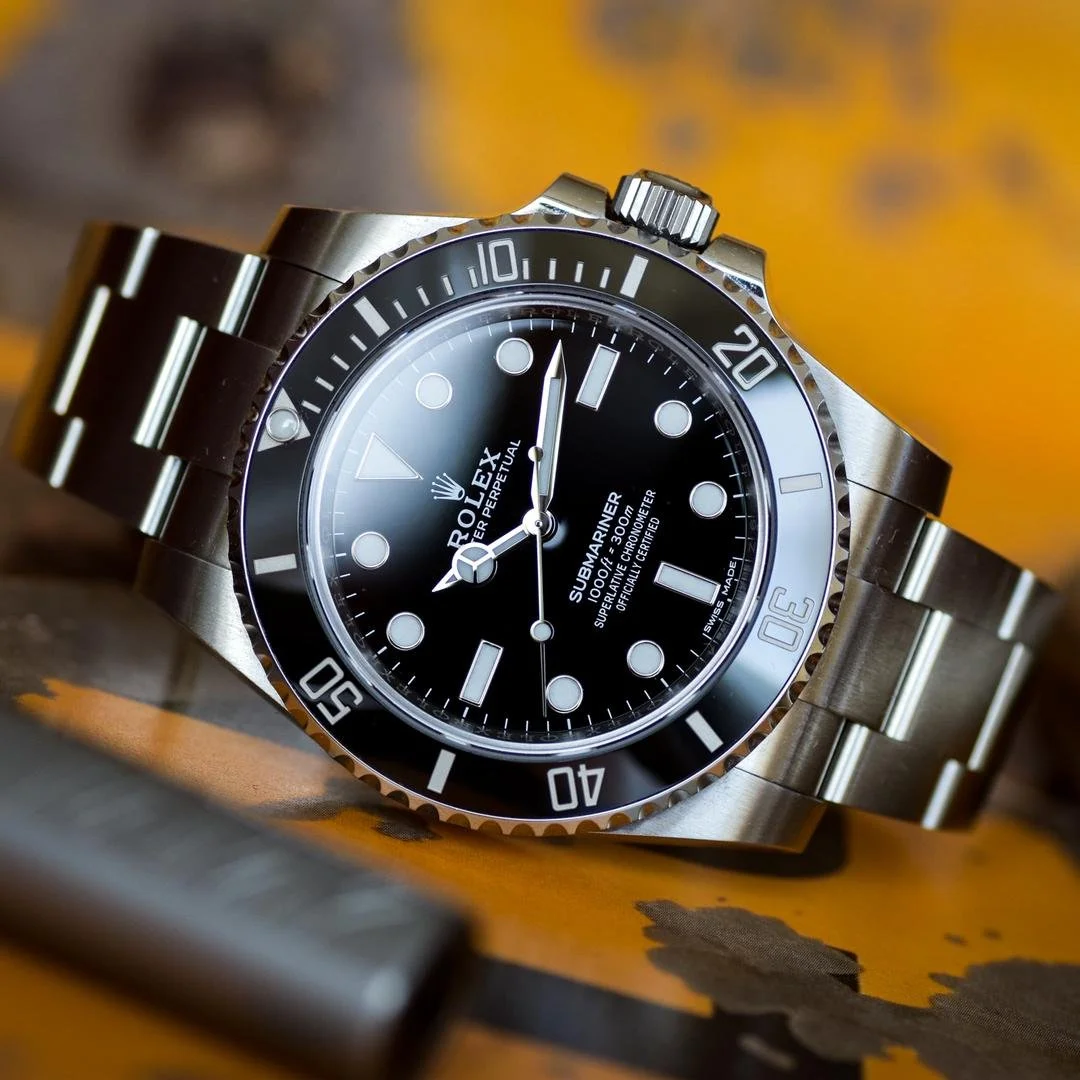
Why Buying a Pre-Owned Luxury Watch Is a Smart Move
Thinking about buying a luxury watch? Discover why pre-owned watches offer better value, access to rare models, and a smarter way to buy with confidence.
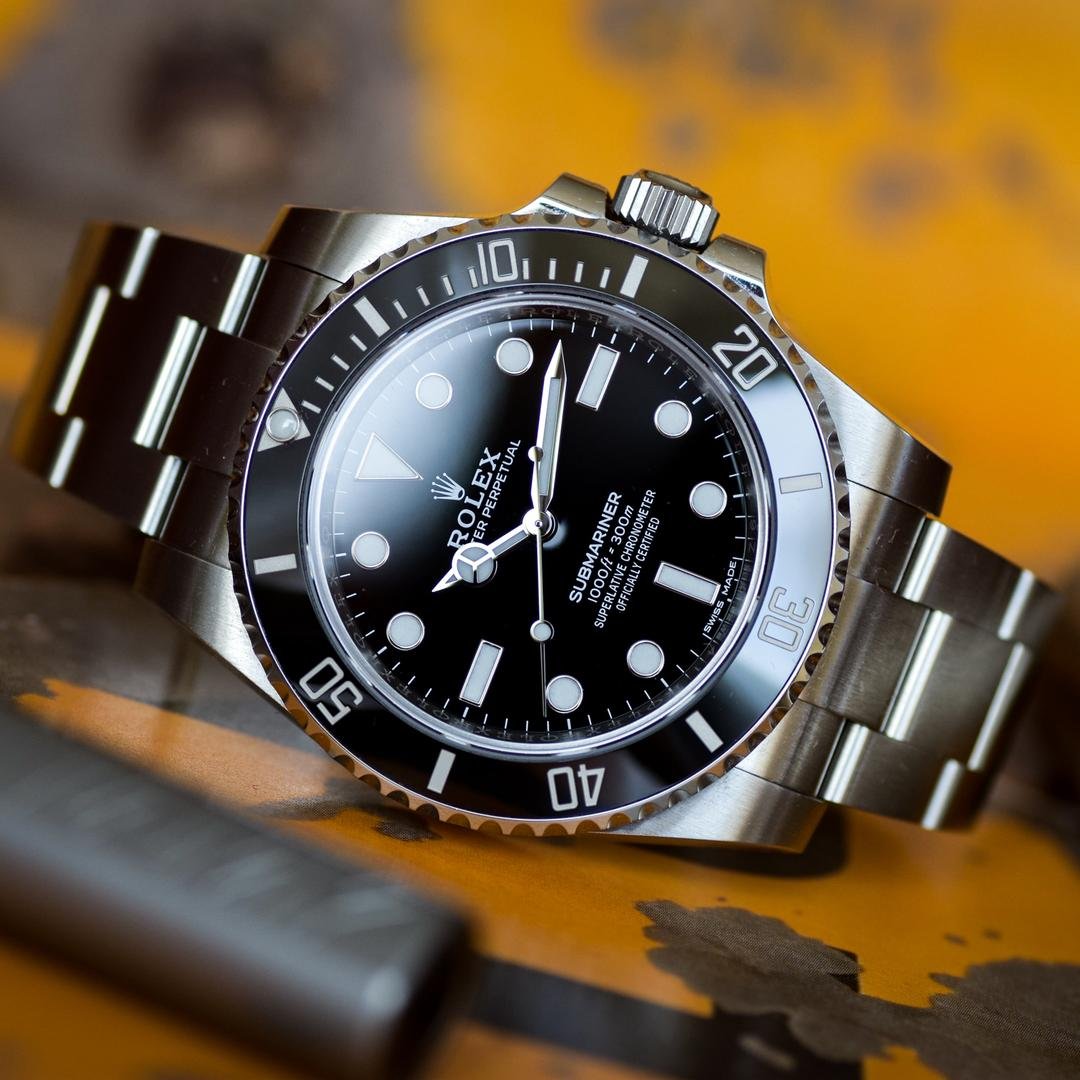
Luxury watches have never been more desirable but buying brand new isn’t always the smartest option. More UK buyers are turning to pre-owned luxury watches to get better value, rare models, and investment-grade timepieces without paying retail premiums.
At JF Jewellers, we specialise in sourcing, checking, and supplying authentic pre-owned luxury watches you can buy with confidence.
Here’s why going pre-owned might be the best decision you make.
Better Value for Money
One of the biggest advantages of buying pre-owned is instant savings.
Avoid steep first-owner depreciation
Get more watch for your budget
Access higher-end models for less
Many luxury watches hold their value extremely well once they’ve already changed hands making pre-owned the smart buy.
Access to Discontinued & Rare Models
Some of the most sought-after watches are no longer available new.
Buying pre-owned allows you to:
Find discontinued references
Secure watches with unique dials or variations
Own models that are no longer produced
This is especially appealing to collectors and enthusiasts looking for something different from what’s in current boutiques.
Investment Potential
Luxury watches are increasingly seen as alternative assets.
Certain models can:
Hold value extremely well
Appreciate over time
Be easily resold when demand is high
Buying pre-owned often means you’re entering at a more stable price point compared to buying new at retail.
Every Watch Is Fully Checked
At JF Jewellers, authenticity and condition come first.
Every pre-owned watch we sell is:
Fully inspected
Verified for authenticity
Carefully checked for performance and condition
You’ll know exactly what you’re buying no surprises, no guesswork.
Sustainable & Responsible Choice
Buying pre-owned is also a more sustainable option.
Extends the life of a luxury item
Reduces unnecessary manufacturing
Supports circular luxury
Luxury should last and pre-owned watches are built to do exactly that.
Why Buy From JF Jewellers?
We’re a UK-based independent jeweller focused on quality, transparency, and trust.
⭐️ Carefully sourced stock
⭐️ Honest descriptions
⭐️ Competitive pricing
⭐️ Secure UK delivery or collection
Whether you’re buying your first luxury watch or adding to a collection, we’re here to help.
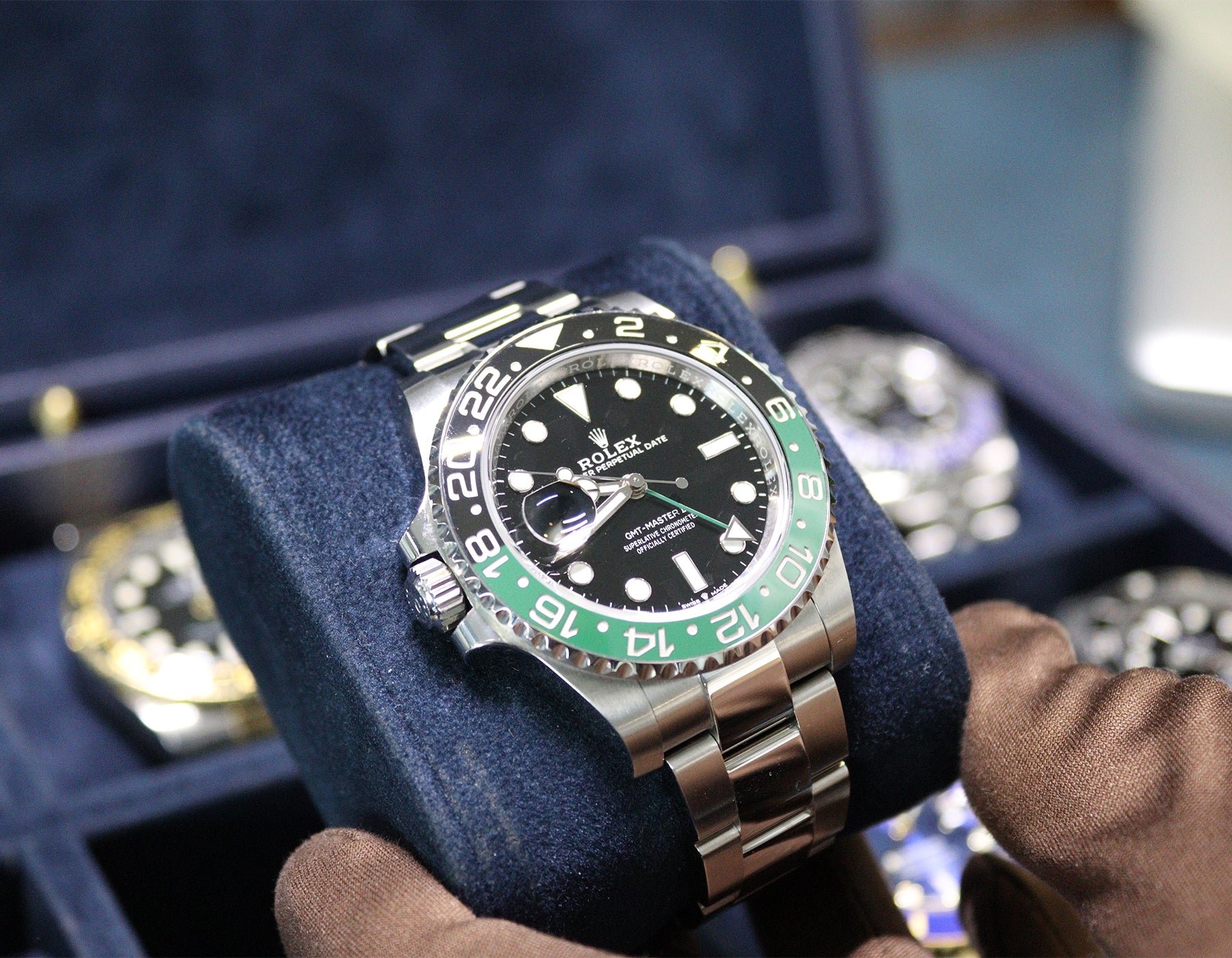

How to Maintain Your Watch Like a Pro
Learn how to maintain your watch like a professional. Simple care tips to protect accuracy, condition, and long-term value.
Whether you wear it daily or only on special occasions, your watch deserves more than just wrist time it deserves care. From vintage classics to modern automatics, proper watch maintenance not only preserves value but ensures your timepiece ticks flawlessly for years to come. Here’s how to treat your watch like the legend it is.
1.
Keep It Clean
Dust, sweat, and skin oils are your watch’s natural enemies. Clean it regularly using a soft microfiber cloth. For deeper cleaning:
Use lukewarm water and mild soap for metal bracelets (never leather!).
A soft toothbrush helps lift dirt between links or around the bezel.
Dry thoroughly with a lint-free cloth.
💡Pro Tip: Avoid using harsh chemicals or household cleaners your watch isn’t a kitchen sink.
2.
Avoid Magnetism
In today’s tech-heavy world, magnetic fields are everywhere phones, laptops, speakers. Exposure can cause your watch to run fast, slow, or stop altogether.
Keep your watch at least 6–10 inches away from strong magnets.
Invest in a demagnetiser if your watch is acting weird.
3.
Mind the Water Resistance
Just because it says “water-resistant” doesn’t mean it’s ready for a swim.
Always screw down the crown (if it has one) before water contact.
Never expose leather straps to water unless you want it to smell like regret.
Have your water resistance tested every 12 months if you swim or dive regularly.
4.
Wind It Wisely
If your watch is manual, wind it once daily, preferably in the morning.
Turn the crown slowly and stop when you feel resistance.
For automatics you don’t wear daily, consider a watch winder—they keep your piece moving and prevent oils from pooling.
5.
Service It Don’t Wait for a Problem
Even the most rugged watches need TLC from the pros.
General rule: Service mechanical watches every 3–5 years.
This includes cleaning the movement, reapplying lubricants, checking seals, and pressure testing.
Skipping servicing can shorten your watch’s life drastically.
6.
Store It Right
Keep your watch in a cool, dry place away from direct sunlight.
Use a watch box or case with cushioned compartments.
If you own multiple watches, rotate them to reduce wear on any single piece.
7.
Use with Respect
Even tool watches have limits. Avoid:
Showering or hot tubs (steam = silent killer).
Extreme sports unless your watch is built for it.
DIY fixes because YouTube tutorials can’t replace skilled technicians.
Final Word: Let Time Be Kind
Watches are more than accessories they’re mechanical marvels, legacy pieces, and sometimes even investments. A little attention goes a long way. Whether it’s a vintage Rolex or a modern TAG Heuer, treat it with respect and it’ll reward you with decades of precision and style.
Got a watch that needs professional servicing or a refresh? Give us a shout we’re here to keep your time ticking beautifully.

A Gentleman’s Guide to Watch Etiquette
A practical guide to watch etiquette, covering how to wear, choose, and match a watch correctly for every occasion.
A fine watch does more than tell time it speaks volumes about its wearer. From boardrooms to dinner dates, your timepiece can enhance your presence or undermine it depending on how you wear it. Here’s a modern gentleman’s guide to watch etiquette: how to wear it, when to wear it, and how not to come across like you’re trying too hard.
1. Match the Watch to the Occasion
Like shoes or cologne, the right watch depends on where you’re going.
Formal Events: Go with a sleek dress watch thin case, leather strap, minimal dial. Think understated elegance.
Business Settings: Chronographs and steel watches are fair game, but keep it classy.
Casual Outings: Dive watches, field watches, or anything with a NATO strap are perfect.
Sports & Outdoors: Stick to digital or rubber-strap watches your Rolex doesn’t need a jog.
🚫 Avoid: Wearing a chunky diver to a black-tie wedding. Unless James Bond invited you personally.
2. Wear It on the Correct Wrist
Traditionally, watches are worn on the non-dominant wrist left for right-handers, and vice versa.
Why? It keeps the crown accessible and avoids damage from overuse or impact.
But hey, rules are guidelines. If it feels better on the other wrist, go for it but be intentional, not random.
3. Size Matters (Seriously)
Wearing a dinner-plate-sized watch on a slim wrist is like turning up to brunch in ski boots.
Ideal diameter is 38mm to 42mm for most wrists.
The lugs should not overhang your wrist.
The strap should hug not strangle your wrist.
✅ Pro Tip: When in doubt, lean toward smaller. Timeless > oversized.
4. Don’t Flash It Subtle Flex Only
A true gentleman never brags about his watch. If someone notices and compliments it, great. But avoid:
Casually dropping the brand into conversation.
Holding your glass just a little too high so everyone sees it.
Taking watch selfies at the dinner table.
Let the watch speak, quietly.
5. Keep It in Shape
A scratched, fogged, or poorly kept watch tells people you don’t respect what you wear.
Regularly clean your watch.
Service it on schedule.
Don’t wear it to bed, in the shower, or when chopping wood (unless it’s G-Shock time).
6. Respect the Strap Game
Changing your strap can transform a watch but don’t go overboard.
Leather = formal.
Steel = versatile.
Rubber/NATO = casual/sporty.
Switching straps is fine, but treat it like tailoring do it with purpose and style.
7. Don’t Double Up on Timepieces
Wearing a smart watch and a mechanical watch? That’s like wearing two pairs of shoes. Choose one.
If you need fitness tracking, go digital. If you’re going for elegance, go analog. Mixing both is confusing… for everyone.
Final Word: Timeless Style Is Effortless
Wearing a watch isn’t just about keeping time it’s about keeping style. A well-chosen timepiece signals taste, awareness, and self-respect. So wear yours like you mean it with confidence, class, and just enough mystery.
Need help choosing the right piece for your next occasion? Visit us at JF Jewellers or message us because style should always be on time.

Top 5 Investment Watches to Buy in 2025
A breakdown of the top investment watches for 2025, including models known for strong demand, long-term value, and collectability.
Time is money especially when it’s strapped to your wrist. In a world where markets fluctuate and crypto keeps you guessing, luxury watches remain one of the most stylish and reliable assets to invest in. Whether you’re a first-time buyer or a seasoned collector, here are five standout timepieces in 2025 that combine heritage, rarity, and rising value.
1.
Rolex Submariner (No-Date Ref. 124060)
Why invest?
The Submariner is the iconic dive watch. With demand perennially outstripping supply, it holds its value better than your average blue-chip stock. The no-date version adds a clean, symmetrical dial that purists (and investors) love.
2025 bonus: Rolex price hikes and limited AD availability continue to drive resale values up.
📈 Estimated annual appreciation: 8–12%
2.
Omega Speedmaster Professional “Moonwatch” (Co-Axial Master Chronometer)
Why invest?
It’s the watch that went to the Moon and in 2025, it’s gone fully modern under the hood with a METAS-certified movement. Omega has tightened production, making this new-gen Moonwatch both reliable and collectable.
2025 bonus: Still under the £7K mark, but steadily climbing as collectors snap them up.
📈 Estimated annual appreciation: 5–8%
3.
Tudor Black Bay 58 (Navy Blue)
Why invest?
Tudor continues to punch above its weight, especially with the Black Bay 58. It’s slimmer, vintage-inspired, and packed with an in-house movement. Enthusiasts love the heritage vibe at an accessible price.
2025 bonus: Tudor’s growing prestige and limited editions make this a quiet climber.
📈 Estimated annual appreciation: 4–6%
4.
Audemars Piguet Royal Oak (Ref. 15510ST)
Why invest?
The Royal Oak isn’t just a watch it’s a flex. Designed by Gérald Genta, it’s one of the most recognisable and hyped pieces in high horology. Supply remains painfully limited and secondary prices remain strong.
2025 bonus: The updated 15510ST is scarce, modern, and primed for future classic status.
📈 Estimated annual appreciation: 10–15% (if you can get one!)
5.
Tag Heuer Carrera Glassbox Chronograph 2023/2024 Editions
Why invest?
Tag Heuer’s Carrera reissue with a domed sapphire “glassbox” is already a fan favourite. Retro design meets modern engineering. It’s still flying under the radar for now.
2025 bonus: Undervalued, beautiful, and still available at retail. Think of it as the watch world’s best-kept secret.
📈 Estimated annual appreciation: 5–7%
Final Thoughts
A smart watch investment isn’t just about resale it’s about history, craftsmanship, and the thrill of wearing something timeless. If you’re ready to invest in a piece that tells more than just time, browse our selection at JF Jewellers. Your next heirloom might just be a click away.

How to Change a Watch Battery Safely at Home
A step-by-step guide explaining how watch batteries are changed, what to watch out for, and when it’s best left to a professional.
Changing a watch battery might seem intimidating, but with a little patience and the right tools, it's a simple task you can do at home. Whether your watch has stopped ticking or is showing signs of a dying battery (slow movement, fading display), this guide from JF Jewellers walks you through the process step by step.
⚠️ Note: If your watch is water-resistant, high-end, or sentimental, we always recommend professional servicing to avoid damage.
Tools You’ll Need:
Watch case opener (knife or case wrench, depending on case type)
Non-metal tweezers
Precision screwdriver set
Soft cloth or matt
Replacement battery (correct size for your watch)
Optional: Watch holder or case clamp
Step-by-Step Guide:
1. Prepare Your Workspace
Find a clean, well-lit space. Lay down a soft cloth to prevent scratches to your watch.
2. Open the Watch Case
Watches typically have two types of case backs:
Snap-off case: Use a case knife or thin blade to gently pry the back open at the small notch.
Screw-back case: Use a case wrench or rubber ball to unscrew it counterclockwise.
Be gentle! Excess force can scratch or damage the case.
3. Locate and Remove the Old Battery
Once the case is open, you’ll see the battery held in place by a clip or arm.
Use a plastic tool or non-metal tweezers to carefully lift the battery out.
Take note of the battery’s code (e.g., SR626SW, CR2016) so you can buy the correct replacement.
4. Insert the New Battery
Slide the new battery in using plastic tweezers to avoid static damage.
Ensure it's properly seated and the clips are secure.
If your watch doesn’t start ticking immediately, give it a few seconds or gently tap the case.
5. Test the Watch
Before sealing it back up, check if the hands are moving or digital display is working.
6. Close the Case Back
For snap-off cases, press down firmly with your thumbs or a case press.
For screw-back cases, re-tighten gently with a wrench or your palm using a rubber ball.
Ensure the back is secure to maintain dust and water resistance.
Tips to Keep in Mind:
Don't touch the new battery with bare hands – oil and moisture can reduce battery life.
Use the correct battery type – always match the replacement to your old battery.
Change batteries every 1–2 years to avoid leakage and corrosion.
When to Visit JF Jewellers Instead
Some watches like luxury timepieces, water-resistant models, or those with delicate movements should always be handled by a professional. At JF Jewellers, we offer fast, affordable battery replacement with:
Original-grade batteries
Case resealing to maintain water resistance
Free inspection for corrosion or damage
Book a battery replacement with us today — Keep your timepiece ticking like new

Quartz vs Automatic Watches: Which One Should You Choose?
When it comes to choosing a new watch, one of the first decisions you’ll face is whether to go for a quartz or an automatic movement. Both have unique qualities, loyal followings, and different advantages depending on your lifestyle, preferences, and budget. In this article, we’ll break down the key differences and help you decide which is the right choice for you.
What Is a Quartz Watch?
A quartz watch is powered by a battery that sends an electrical current through a tiny quartz crystal. This causes the crystal to vibrate precisely 32,768 times per second. These vibrations are measured and converted into a consistent pulse that powers the motor and moves the watch hands.
🔧 Key Features of Quartz Watches:
Highly accurate: Usually lose/gain only a few seconds per month
Low maintenance: Battery replacement every 1–2 years
Affordable: Generally less expensive to produce and buy
Lightweight: Fewer mechanical parts make them thinner and lighter
No winding required
Ideal for:
Anyone who wants a reliable, low-maintenance, and budget-friendly watch they can wear daily without worry.
What Is an Automatic Watch?
An automatic (self-winding) watch is powered by a mechanical movement. It contains a rotor that winds the mainspring as your wrist moves throughout the day. No batteries required just motion.
⚙️ Key Features of Automatic Watches:
Mechanical craftsmanship: Built with intricate gears and components
Winding mechanism: Powered by movement or manual winding
Smooth sweep second hand: Unlike quartz’s “tick-tick,” automatics have a smoother hand motion
Heirloom value: Appreciated by collectors for artistry and legacy
Ideal for:
Those who appreciate traditional watchmaking, and enjoy the feel and aesthetic of a finely tuned timepiece.
Which One Is Right for You?
At JF Jewellers, we believe the choice between quartz and automatic comes down to how you use your watch and what you value most.
Choose quartz if you want something practical, reliable, and easy to maintain perfect for daily wear.
Choose automatic if you love craftsmanship, history, and wearing a timepiece that tells more than just the time.
We stock a wide selection of both quartz and automatic watches from budget-friendly pieces to luxury brands. Whether you’re a first-time buyer or a seasoned collector, our team is here to help you find your perfect match.
Need help choosing?
Contact us online, and one of our watch specialists will be happy to guide you.

Automatic vs. Chronograph Watches: What's the Difference?
A clear comparison of quartz and automatic watches, explaining how they work, their pros and cons, and which suits different lifestyles.
When shopping for a new timepiece, you’ve likely come across terms like “automatic” and “chronograph.” Though they may sound similar or even interchangeable, they refer to two completely different watch features. At JF Jewellers, we believe understanding these terms helps you make the right choice based on both style and function.
What Is an Automatic Watch?
An automatic watch is a self-winding mechanical watch. It doesn't need a battery because it winds itself through the natural motion of your wrist. Inside, a rotor spins and transfers energy to a mainspring, which powers the watch.
🔧 Key Characteristics:
Powered by motion
No battery required
Smooth, sweeping second hand
Often prized for their craftsmanship and classic aesthetics
Automatic watches can come with a wide range of complications (features), but the term “automatic” strictly refers to how the watch is powered not what it does.
What Is a Chronograph Watch?
A chronograph is a watch with a built-in stopwatch function. It usually has additional sub-dials and pushers (buttons) on the side that control the start, stop, and reset functions.
Chronograph watches can be quartz, mechanical, or automatic, meaning “chronograph” refers to the functionality, not the movement type.
⏱️ Key Characteristics:
Multiple sub-dials (e.g., 30-minute, 12-hour counters)
Pushers on the case for stopwatch control
Can time events while still displaying the current time
Sporty, functional appearance — often used in racing, aviation, and diving
Can a Watch Be Both?
Absolutely many watches are both automatic chronographs. These combine the best of both worlds: a self-winding movement and stopwatch functionality. They tend to be larger, more complex, and often more expensive due to the engineering involved.
Which Should You Choose?
Choose an automatic watch if you appreciate traditional watchmaking, a minimalist design, and prefer a battery-free experience.
Choose a chronograph watch if you need additional functionality (like timing events) or prefer a bolder, sportier style.
Whether you're drawn to the elegance of an automatic or the utility of a chronograph, JF Jewellers has a curated selection to match your needs.
Need help picking the right model?
Get in touch with our team we’re always happy to help you find the perfect timepiece.

The Ultimate Guide to Choosing the Perfect Engagement Ring
A complete guide to choosing the perfect engagement ring, including budgeting, the 4Cs, diamond shapes, metals, and personalisation tips.
So, You’re Ready to Propose — Congratulations!
Whether you’re deeply in love, fully committed, or simply ready to make it official, choosing the perfect engagement ring is a major milestone. And yes while it might feel a little overwhelming (especially if you’ve been relying on guesswork), don’t worry. You’re in the right place.
Here’s a clear, step-by-step guide to help you navigate the process with confidence, style, and financial sanity.
1. Set a Budget (and Stick to It)
Forget outdated advice like “three months’ salary.” The right budget is one that fits your lifestyle and financial goals. An engagement ring should symbolise love and commitment not cause financial stress.
💡 Pro Tip: Remember to factor in not just the diamond (or alternative stone), but also the setting, resizing costs, insurance, and maybe even a celebratory dinner afterward.
2. Understand the 4Cs of Diamonds
Before you start shopping, get familiar with the four characteristics used to evaluate diamonds:
Cut – This affects how well the diamond reflects light (aka its sparkle). It’s the most important of the 4Cs.
Colour – Rated from D (colourless) to Z (light yellow or brown). Near-colourless (G–J) diamonds offer great value.
Clarity – Refers to imperfections. Most are microscopic and don’t impact visual beauty.
Carat – The weight of the diamond. Bigger doesn’t always mean better — a well-cut diamond with lower carat weight can look larger and more brilliant.
💎 Bottom Line: Prioritise cut and overall appearance over carat size alone.
3. Choose a Diamond Shape That Reflects Their Style
Each diamond shape brings its own character:
Round – Classic and timeless
Oval or Pear – Elegant with a unique twist
Princess or Cushion – Bold and glamorous
Emerald or Asscher – Sophisticated with vintage appeal
Look at the jewellery they already wear. Are they into minimalism, vintage pieces, or bold designs? Their style will guide you toward the perfect shape.
4. Select the Right Metal for the Setting
The ring’s metal is a big part of its overall look. Popular choices include:
Yellow Gold – Traditional, warm, and timeless
White Gold or Platinum – Sleek and modern
Rose Gold – Romantic and trendy
🔎 Note: Platinum is hypoallergenic and more durable but tends to cost more. Try to match the ring’s tone to the jewellery they already wear most often.
5. Consider Alternative Stones
Diamonds are traditional, but they’re not the only option. If your partner prefers something unique, consider:
Sapphires – Come in many colours
Emeralds – Bold and vibrant
Moissanite – Ethical, affordable, and extremely sparkly
Lab-Grown Diamonds – Eco-friendly and identical in appearance to mined diamonds
Just make sure the stone you choose is durable enough for everyday wear.
6. Add a Personal Touch
Personalisation makes the ring even more meaningful. You could:
Engrave a special message, initials, or date inside the band
Custom-design the ring to include a unique element or hidden detail
These thoughtful extras turn a beautiful ring into a one-of-a-kind symbol of your story together.
Final Thoughts
An engagement ring is so much more than a piece of jewellery it’s a lasting symbol of love and commitment. Choose with care, stay true to your partner’s style, and don’t feel pressured to overspend. With thoughtful planning, you’ll find the perfect ring that captures your story and sets the tone for a beautiful future together.
Ready to find the one? Let the adventure begin.